 Vero Water Recovery
After Any Extraction Job
Standing water is only half the problem. Materials stay wet long after surfaces look dry.
Extraction removes standing water. Structural drying removes the moisture trapped inside your walls, floors, and framing, verified with meters, not guesswork. It's what separates a quick cleanup from a lasting restoration.
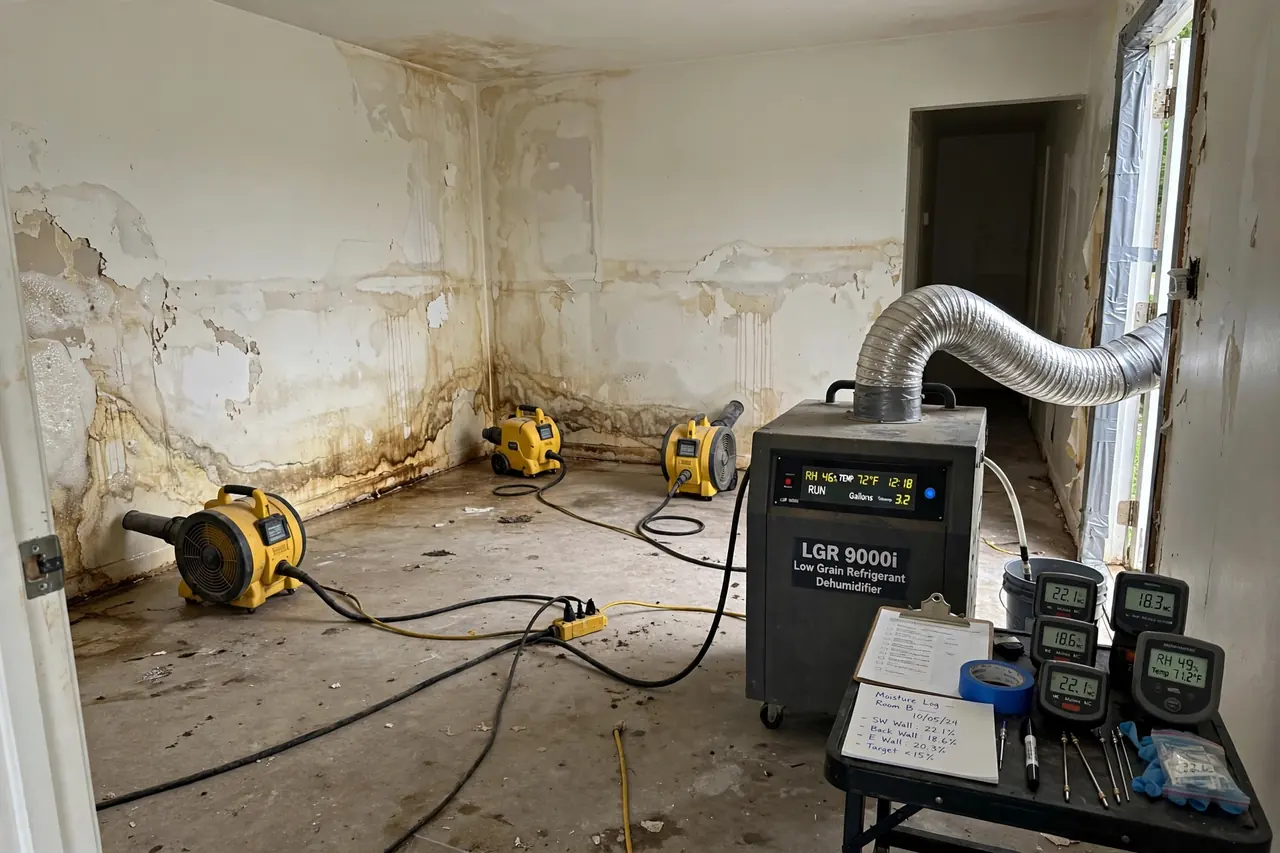
After standing water is extracted, building materials are still wet: drywall wicks water upward, hardwood holds moisture in its core, concrete slabs release it slowly for days. Structural drying is the controlled process of bringing those materials back to dry standards using air movement, dehumidification, and continuous moisture monitoring.
In Vero Beach's humid climate, this step is non-negotiable. Ambient humidity fights against drying around the clock, so we use commercial dehumidification to control the environment and verify progress with pin meters and thermal imaging until every material tests dry.
Any time water has contacted building materials, which is nearly every water loss, structural drying should follow extraction.
Standing water is only half the problem. Materials stay wet long after surfaces look dry.
Drywall wicks water up from the floor; insulation behind it holds moisture against framing.
Wood absorbs water into its core. Controlled drying can flatten cupping and save floors.
Slabs release moisture slowly, without dehumidification, flooring installed too soon fails.
Particle-board cabinets swell fast; controlled drying determines what can be saved.
After tropical storms, entire structures absorb moisture that only measured drying resolves.
Drying is a science: measure, create the right conditions, verify. Every step is documented.
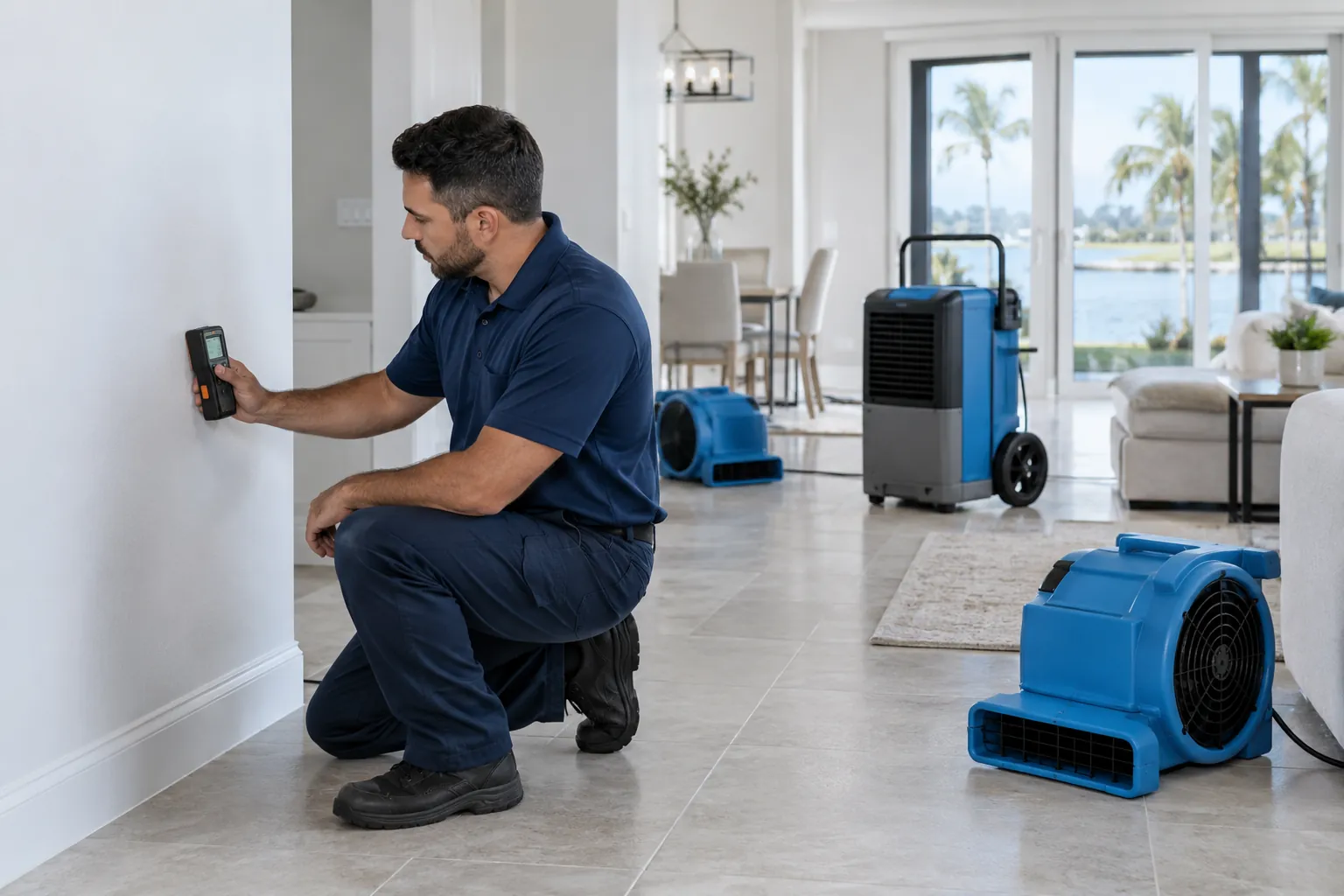
Every affected material is measured and mapped, walls, floors, cavities, establishing the starting point.
Air movers and dehumidifiers are placed and sized to create optimal drying conditions for your materials.
Moisture readings are taken and logged, and equipment is adjusted based on what the meters say.
Equipment comes out only when readings confirm materials reached dry standards.
Anyone can point fans at a wet wall. Structural drying means knowing when the wall is actually dry, inside, not just on the surface.
Unmeasured drying causes two expensive failures: equipment removed too early (leaving moisture that causes odors, warping, and growth later) or left running for weeks unnecessarily. Our process ties every decision to meter readings, so drying is complete, efficient, and documented, the standard insurance adjusters and property managers expect.
Every service below stays within water damage restoration, extraction, drying, and moisture control.
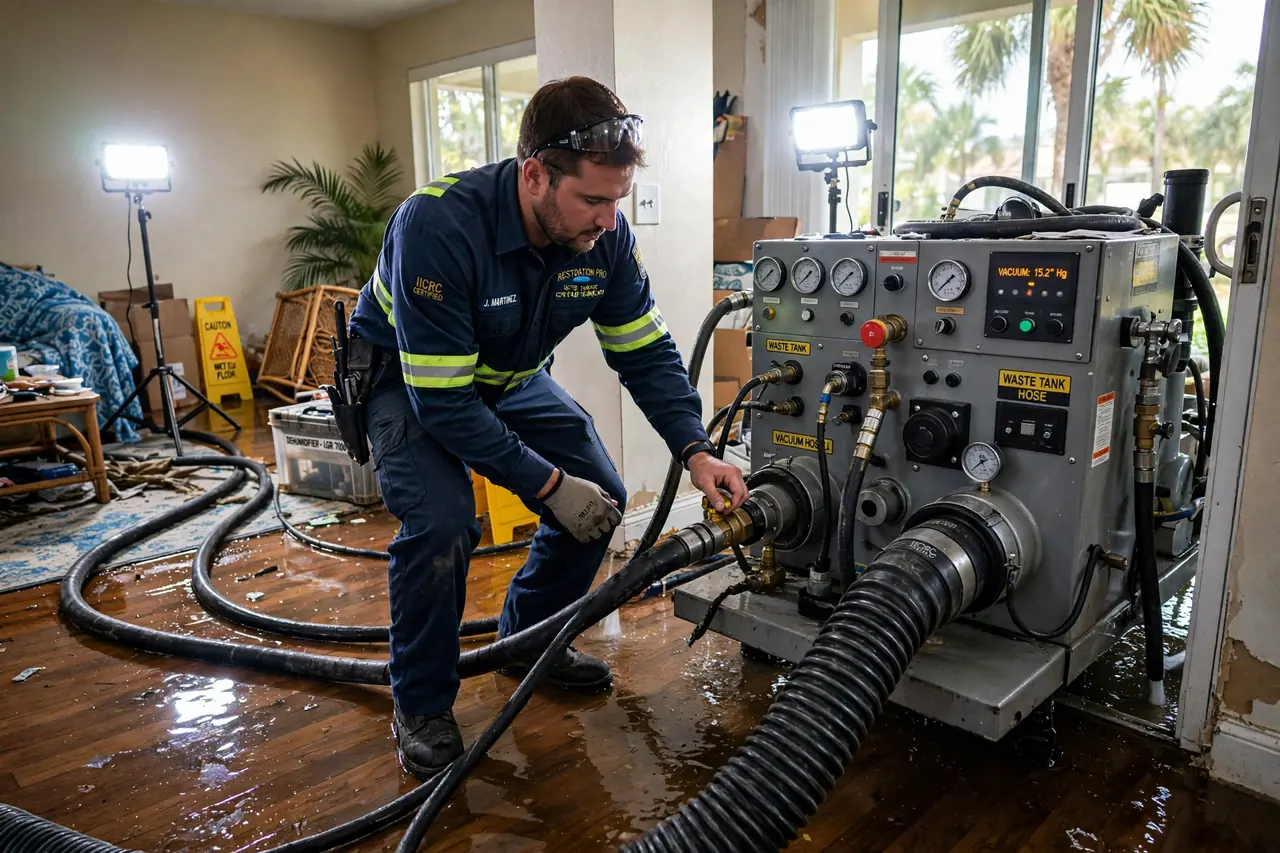
Rapid 24/7 standing-water removal after leaks, floods, and overflows.
View service →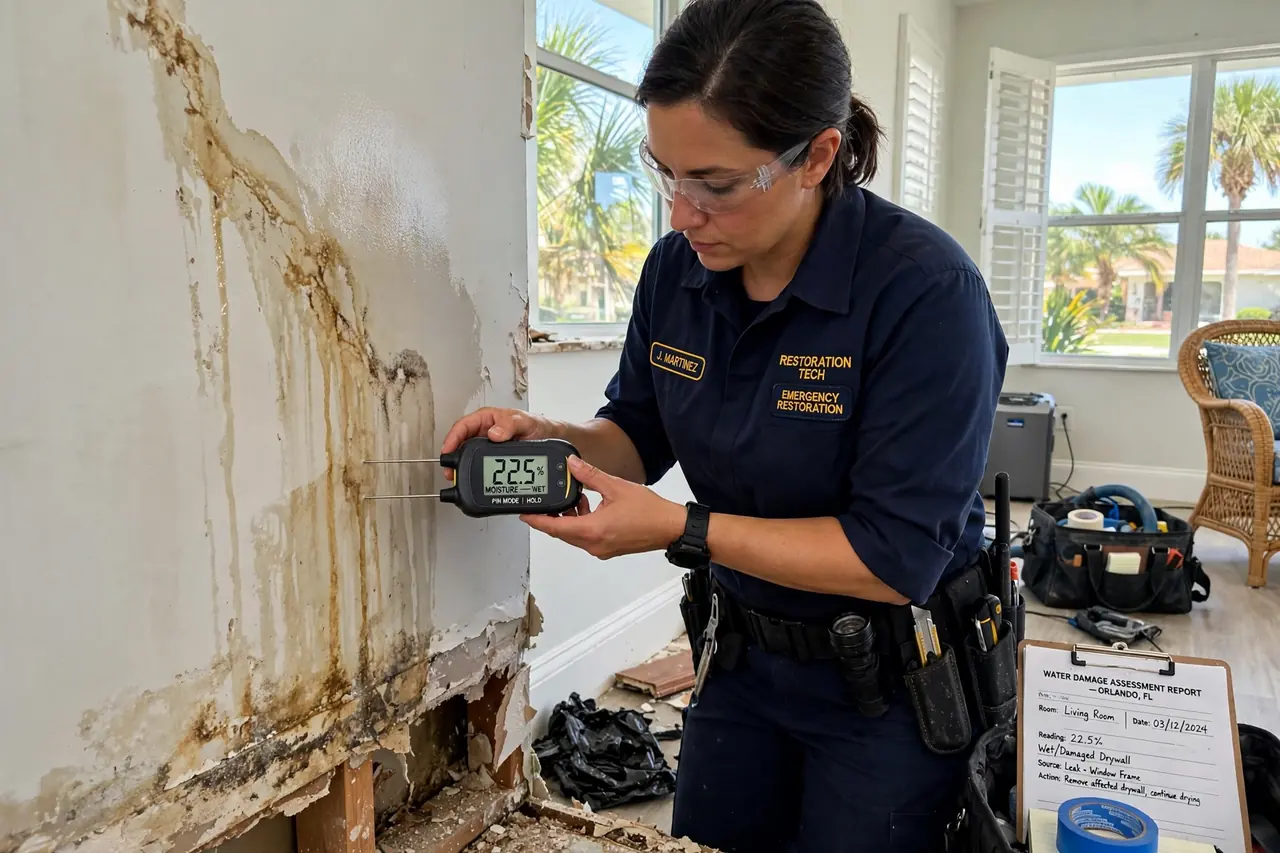
Water extraction and drying for houses, condos, and rental properties.
View service →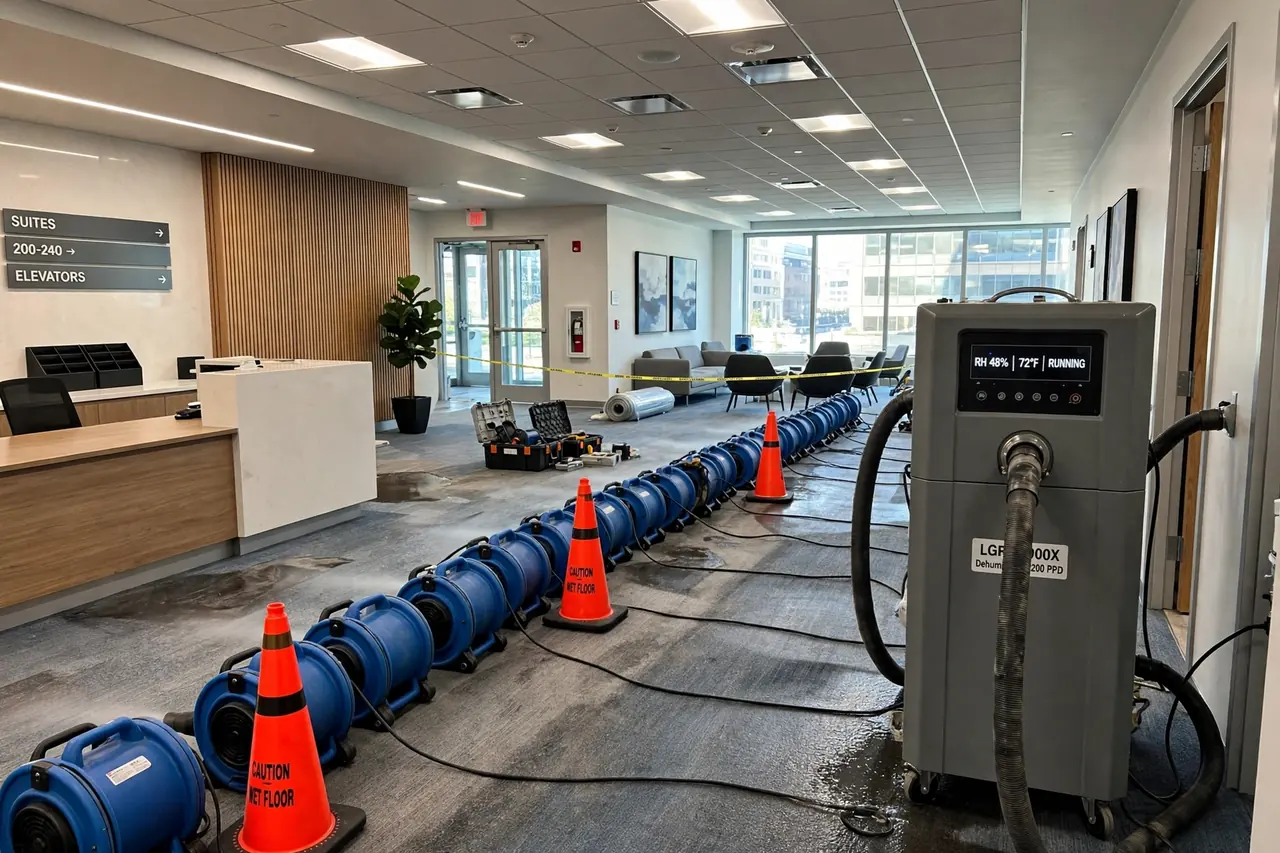
Water removal and drying for offices, retail, and hospitality properties.
View service →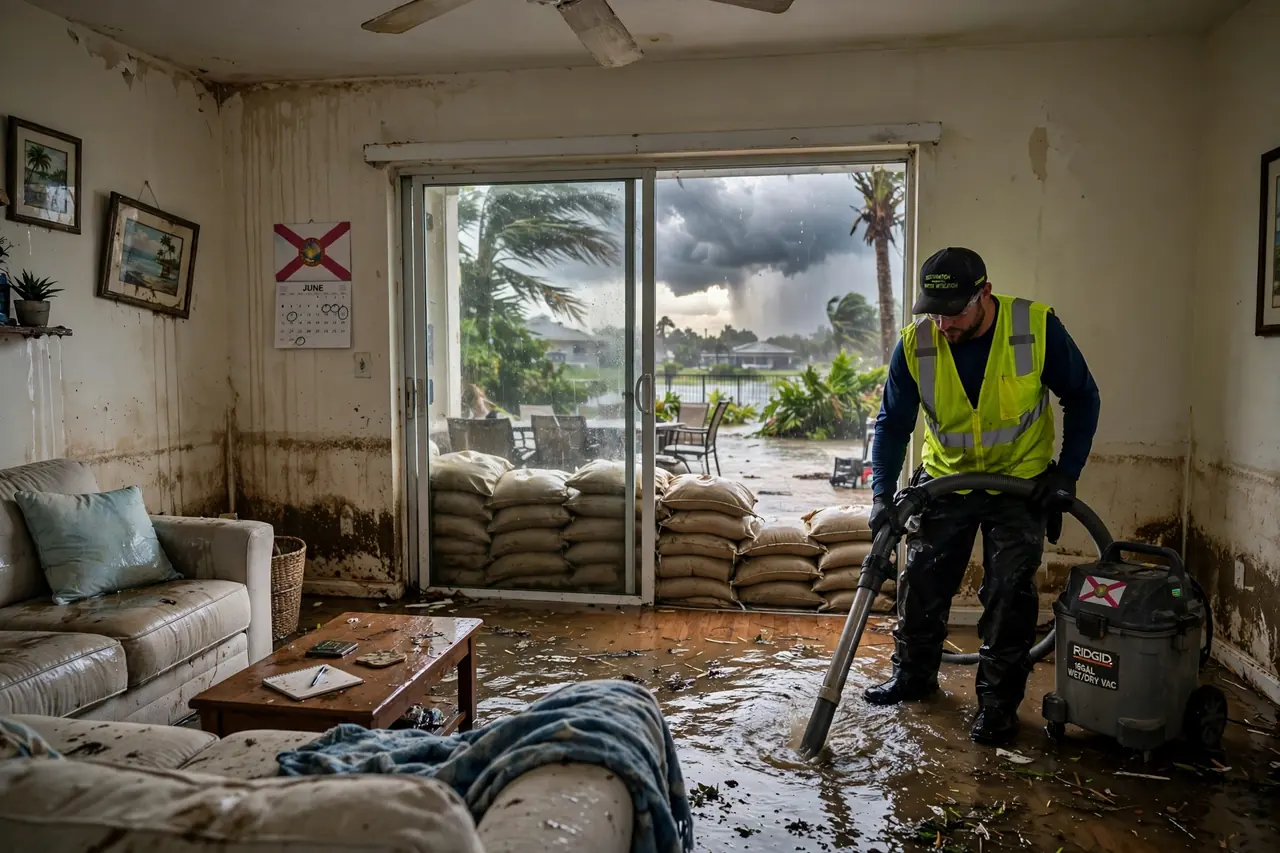
Extraction and initial drying after indoor flooding and stormwater intrusion.
View service →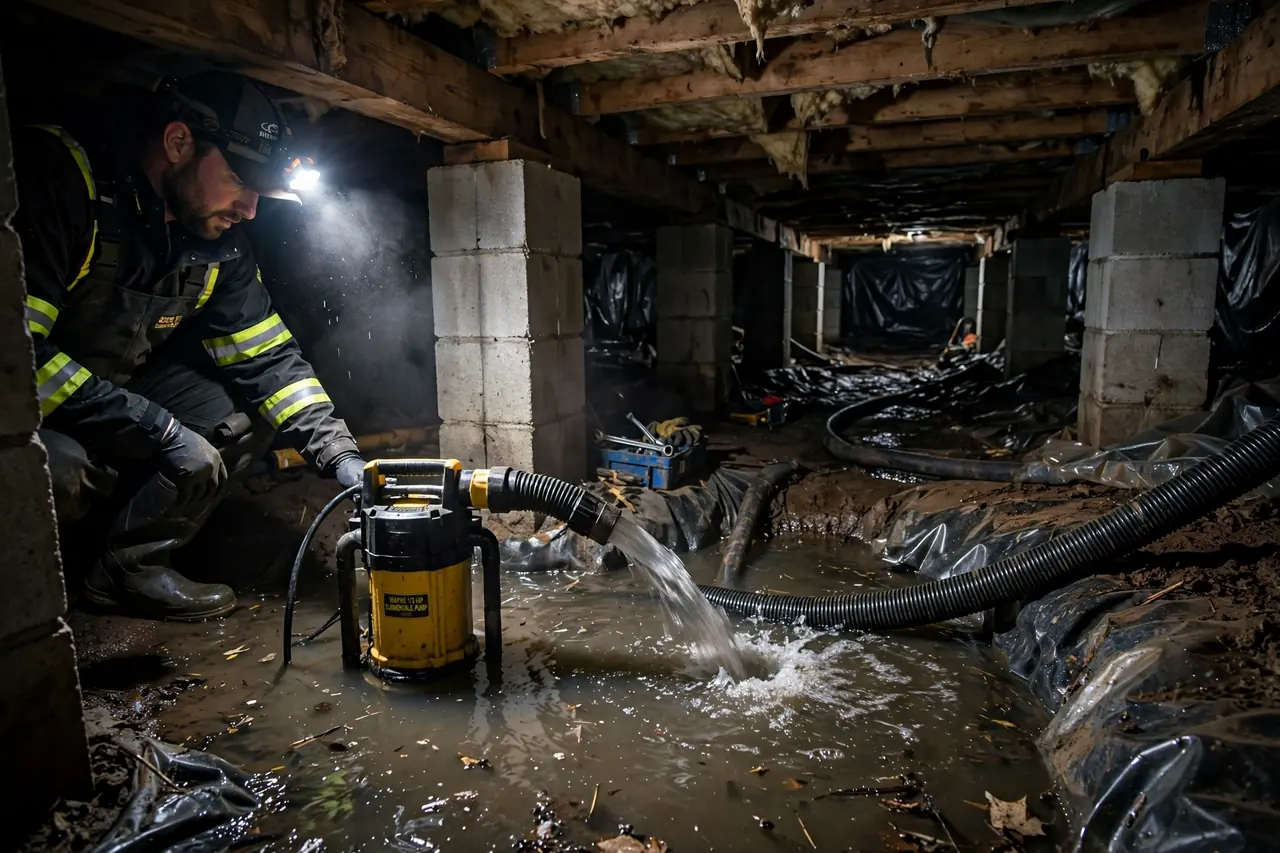
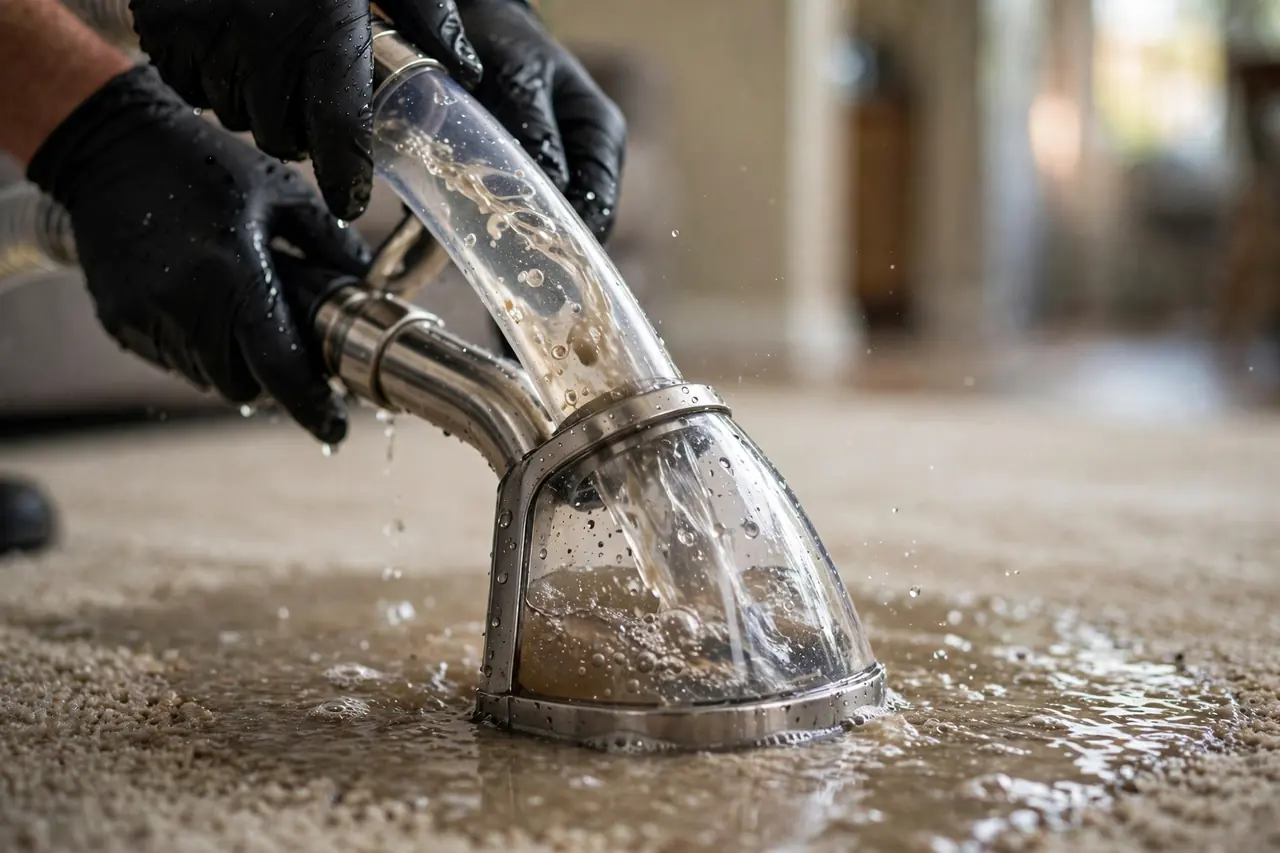
Deep water extraction for soaked carpet, padding, and flooring.
View service →Straight answers to the questions Vero Beach property owners ask us most.
What sets the drying timeline.
Read guide →The moisture structural drying finds.
Read guide →Where drying fits in the full mitigation picture.
Read guide →How drying works, how long it takes, and how we know it's done.
Most residential dry-outs take 3–5 days; dense materials like hardwood and concrete can take longer. Our timeline guide explains the variables.
With moisture meters compared against dry standards for each material, readings taken daily and logged. We don't guess and we don't go by touch.
Air movers and dehumidifiers produce noticeable white noise. Most customers adjust quickly; we can discuss placement to minimize disruption in bedrooms.
Please don't, interrupting the drying cycle extends the job and risks incomplete drying. If noise or cost is a concern, talk to us and we'll explain the trade-offs.
Often yes. Hardwood responds well to controlled drying when started promptly, cupping frequently flattens as moisture leaves the wood.
Yes. Slabs hold and release moisture slowly; we measure slab moisture and dry until flooring manufacturers' moisture limits are met.
Local water-damage response across Vero Beach, Florida. Choose your neighborhood to see area-specific information:
Whether we've extracted your water or someone else did, we can map moisture and dry your structure to verified standards.