 Vero Water Recovery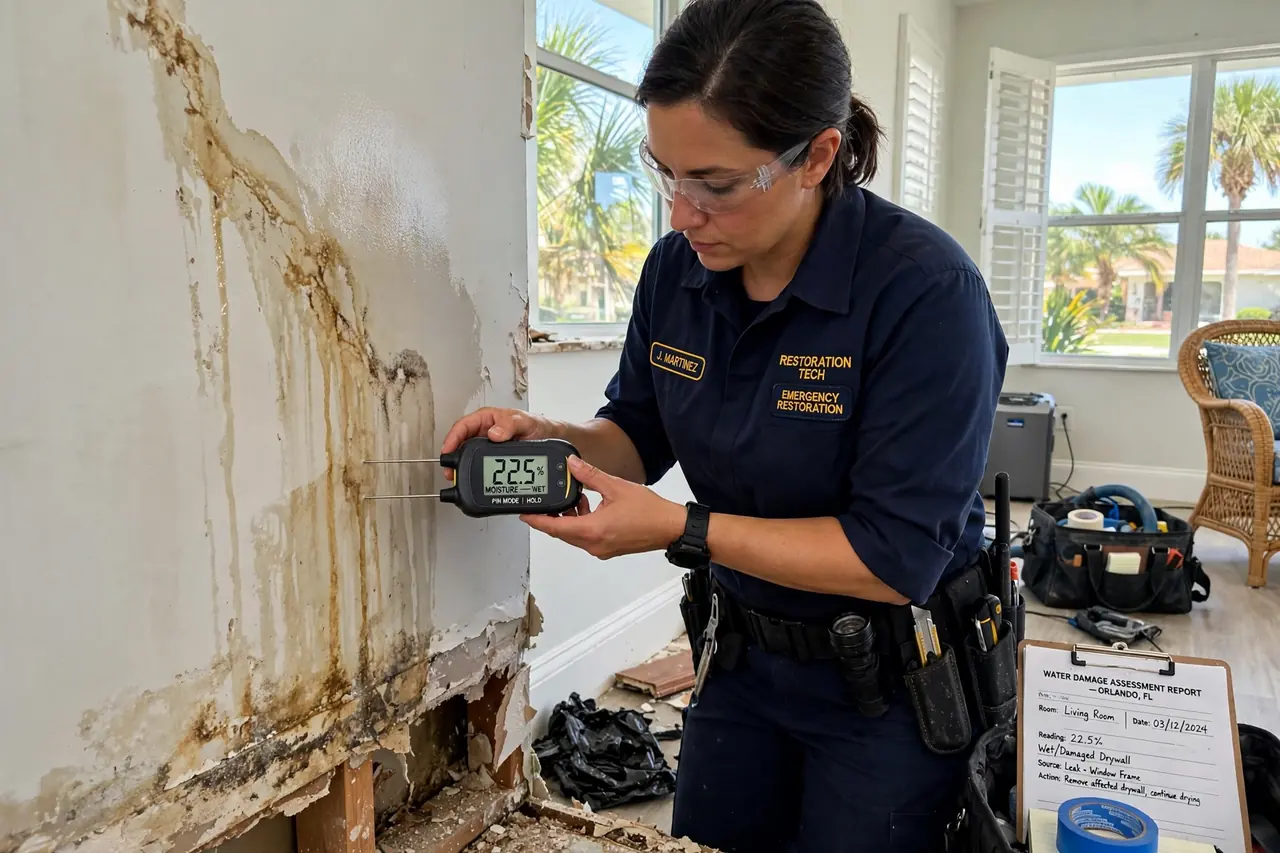
Search 'water extraction' and 'water removal' and you'll find companies using them interchangeably, because in practice, they mostly are. But the terms do have distinct meanings, and knowing the difference helps you understand quotes, scopes, and what you're actually buying.
What Each Term Means
Water extraction specifically refers to pulling water out of materials, the mechanical process of extracting water from carpet, pad, upholstery, and surfaces using extraction equipment. It's the technical term for the physical removal process.
Water removal is the broader, plain-language term for getting unwanted water out of a property, which includes extraction, plus pumping, mopping, and any other method of eliminating standing water.
In short: all extraction is water removal, but not all water removal is extraction. Pumping two feet of water from a flooded garage is water removal; running a weighted extractor over soaked carpet is extraction. Most real jobs involve both.
What Matters In Practice
Honestly? For property owners, the terminology debate matters less than these practical questions:
- Does the scope cover all the water? Standing water, soaked materials, and hidden moisture, not just what's visible.
- Does it include drying? Removing water without structural drying is half a job (see extraction vs. mitigation).
- Is moisture verified? Meters and drying logs, not assumptions.
Whether a company says 'extraction' or 'removal' on their truck, demand answers to those three questions.
Equipment Used For Water Removal
- Submersible pumps, for deep standing water (inches to feet).
- Truck-mount extractors, high-power extraction for large areas, run from the service vehicle.
- Portable extractors, for upper floors, tight access, and detail work.
- Weighted extraction tools, ride-on or walk-behind units that compress carpet and pad for deep water removal.
- Wet vacuums, for final detailing and small areas (not a substitute for the above).
Choosing A Water Removal Company
- Ask whether the quote is removal-only or includes drying and monitoring.
- Confirm they carry both pumping and extraction capability.
- Ask how they find hidden moisture, the answer should involve meters, not just eyes.
- Get the full scope in writing before authorizing work beyond emergency extraction.
Stay clear of electrical hazards and contaminated water. Call +1 (380) 237-1358, we respond 24/7.