 Vero Water Recovery
Indoor plumbing floods
A burst supply line or failed appliance can put inches of water across an entire floor in under an hour.
Whether it's indoor flooding from a plumbing failure or stormwater intrusion during a tropical storm, we extract floodwater fast and dry what it touched — floors, walls, and everything in between.
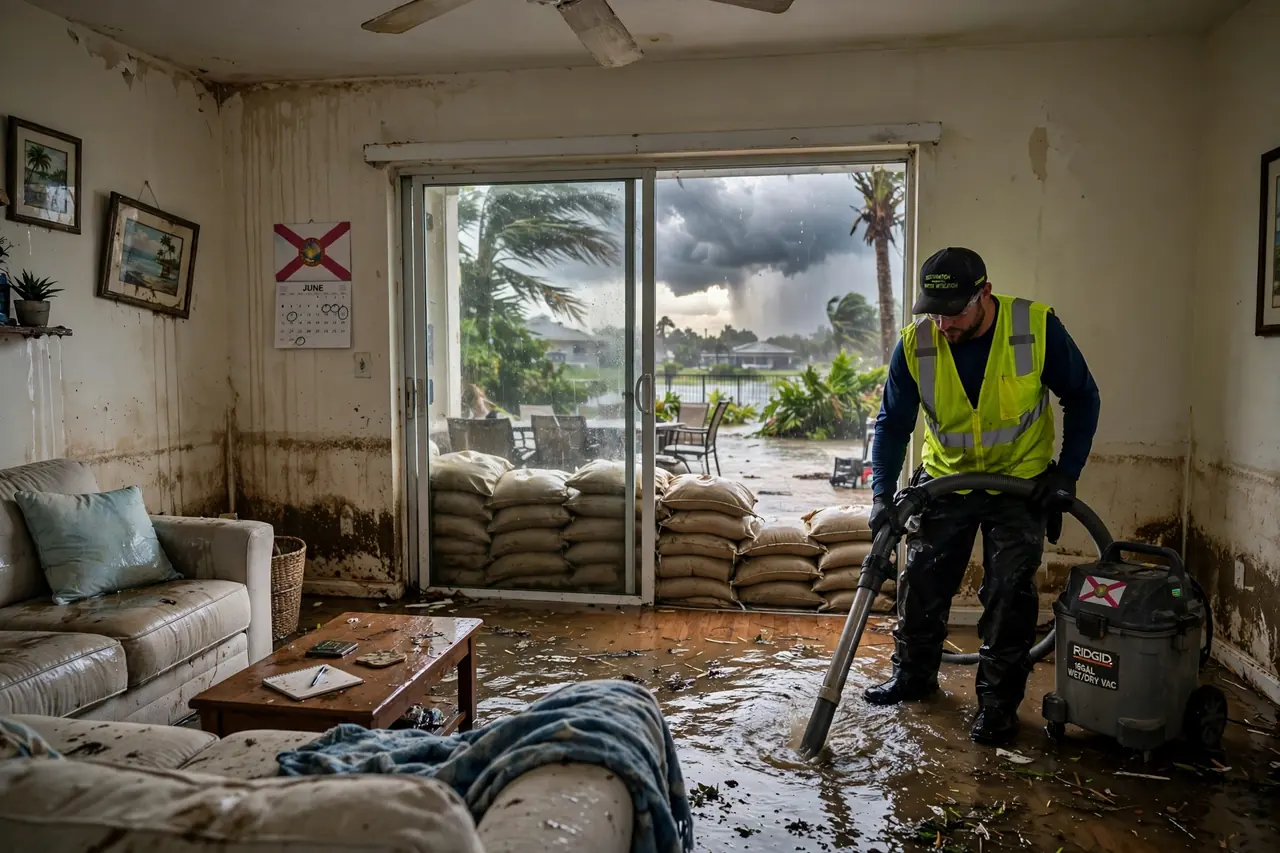
In Vero Beach, flooding comes in two forms: indoor flooding from failed plumbing or appliances, and stormwater intrusion when tropical systems push rain where it doesn't belong. Both leave the same problem — standing water across large areas, soaking everything it touches.
Flood water extraction focuses on removing that standing water quickly and completely, then drying the structure before secondary damage sets in. Because floodwater can carry contaminants, we also advise on what needs cleaning versus what needs removal.
From sudden indoor floods to storm-driven water, these are the flooding scenarios Vero Beach properties face.
A burst supply line or failed appliance can put inches of water across an entire floor in under an hour.
Hurricane-season storms drive rain under doors, through window seals, and into ground-floor rooms and garages.
Intense downpours overwhelm drainage and grading, sending water into garages, lanais, and low-lying rooms.
Tank ruptures and hose failures release large volumes fast — classic indoor flooding events.
Wind-damaged roofing lets stormwater pour into attics and ceilings, spreading through multiple rooms below.
When drains back up or pumps can't keep up, water finds the lowest floor — we extract it and dry the aftermath.
Floodwater demands a specific sequence: remove it all, assess what it touched, then dry completely.
High-capacity pumps and extractors remove standing water from every affected room, including garages and lanais.
We identify the water source and advise which materials can be cleaned and which should be removed.
Where needed, baseboards and lower drywall sections are addressed so wall cavities can dry.
Dehumidification and air movement dry the structure, verified with moisture readings throughout.
Floodwater doesn't just sit on floors — it wicks up drywall, gets under tile and laminate, and soaks into wall cavities where you'll never see it.
A shop-vac and some fans leave most of that moisture behind. In Florida's climate, that means warping, persistent musty odors, and microbial growth. Professional flood response extracts deeply, opens what needs to breathe, and verifies dryness with instruments — so the flood doesn't keep damaging your property after the water is gone.
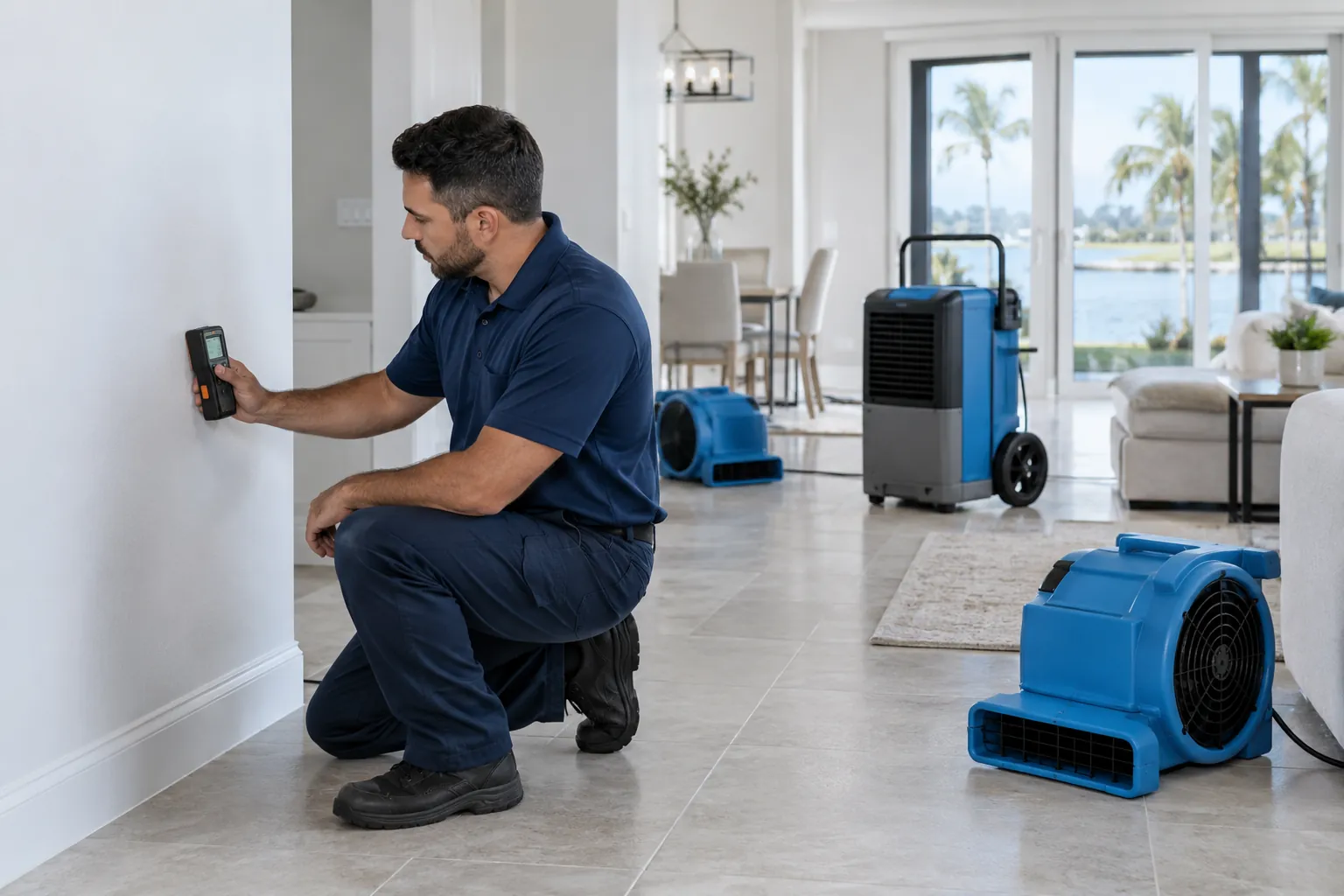
Every service below stays within water damage restoration — extraction, drying, and moisture control.
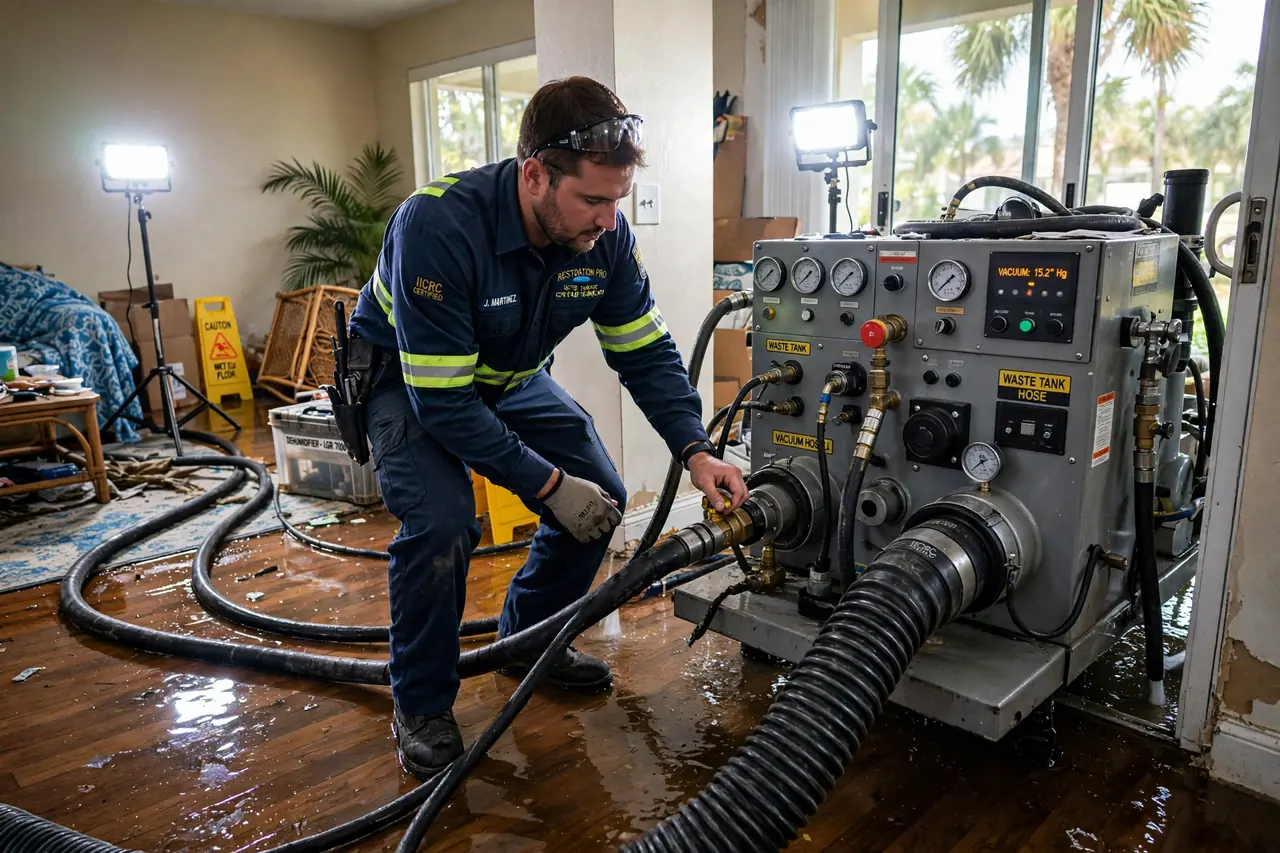
Rapid 24/7 standing-water removal after leaks, floods, and overflows.
View service →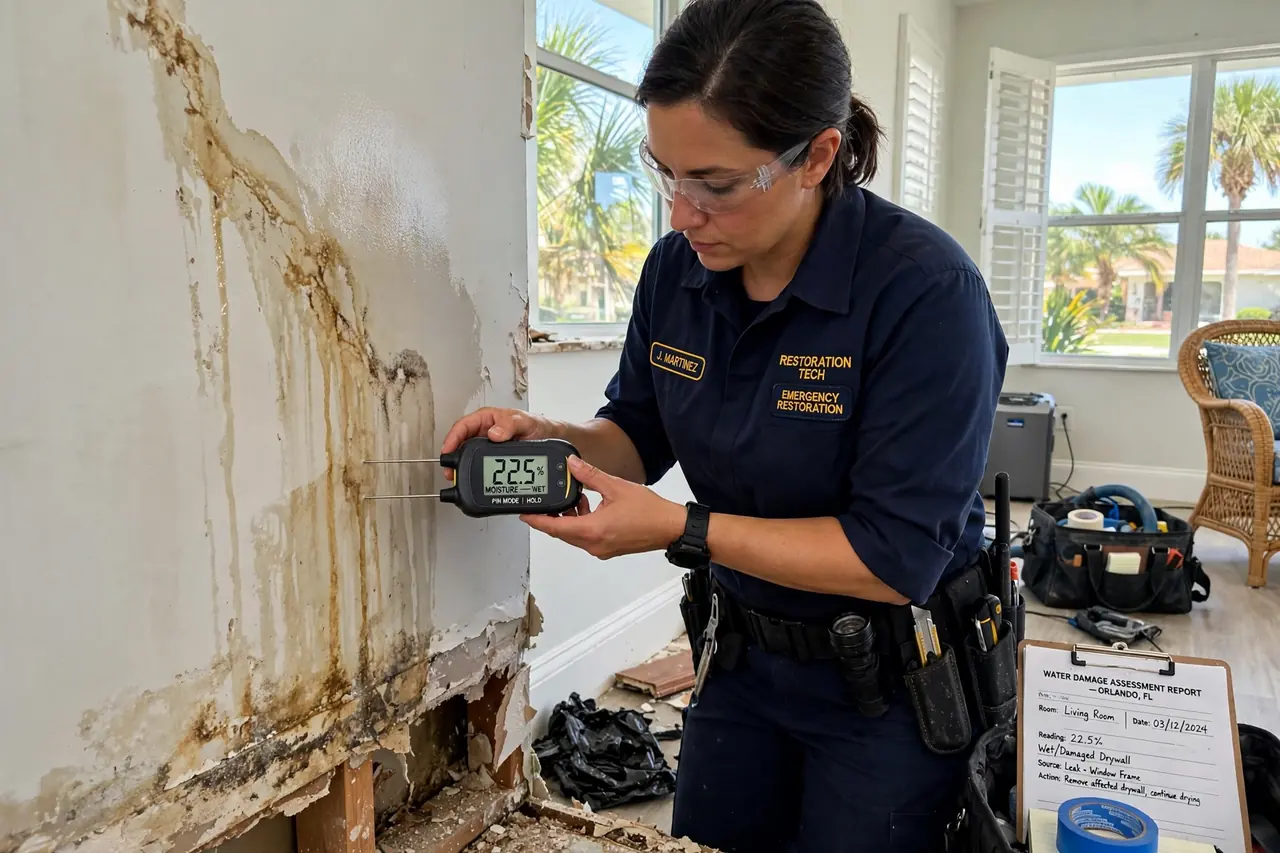
Water extraction and drying for houses, condos, and rental properties.
View service →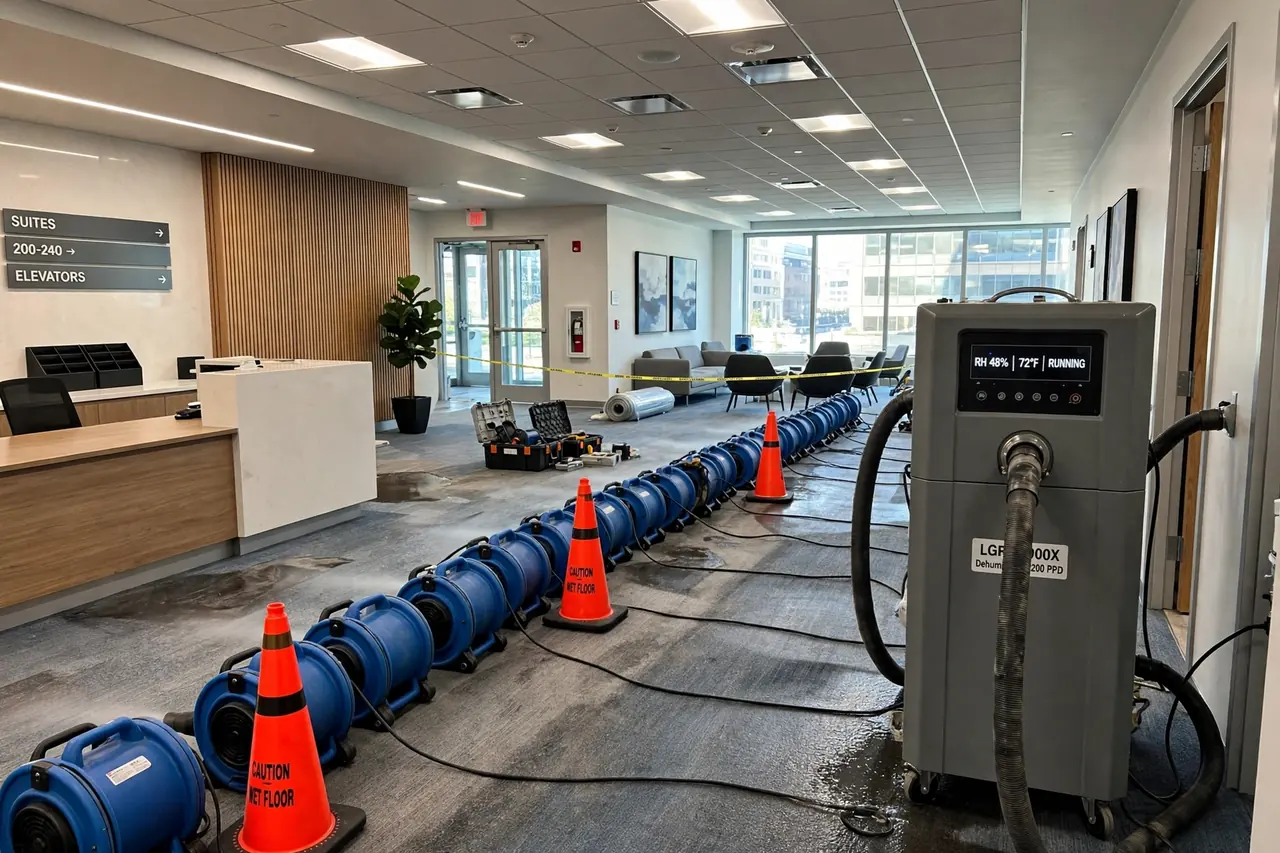
Water removal and drying for offices, retail, and hospitality properties.
View service →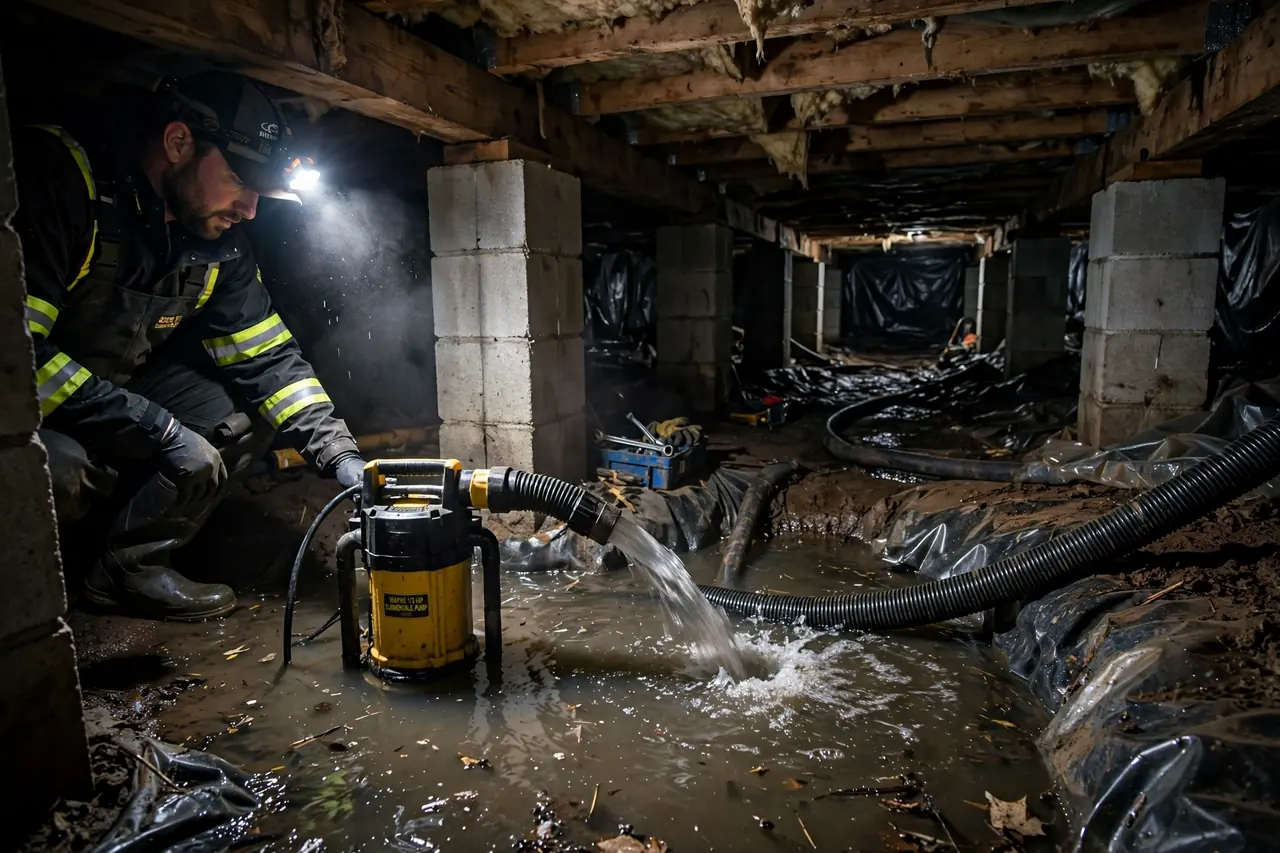
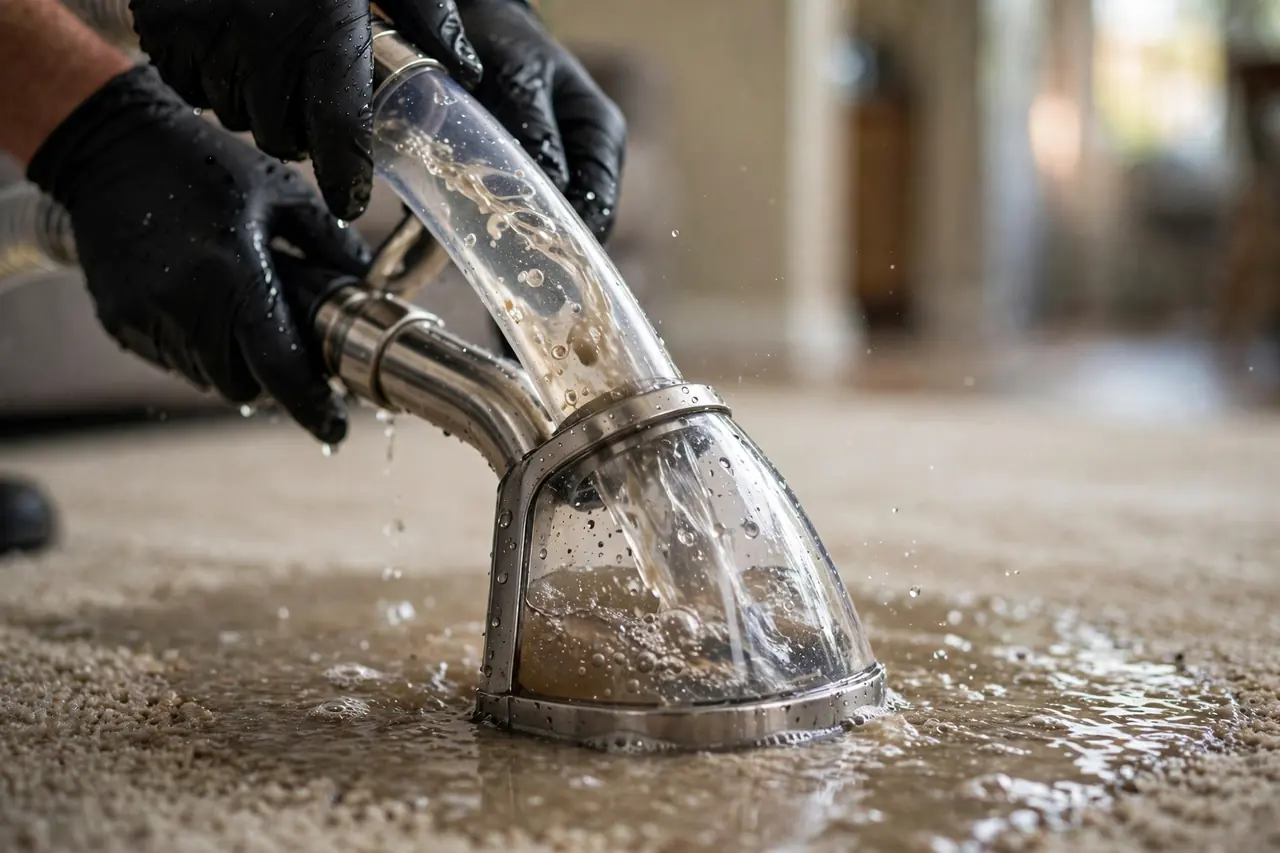
Deep water extraction for soaked carpet, padding, and flooring.
View service →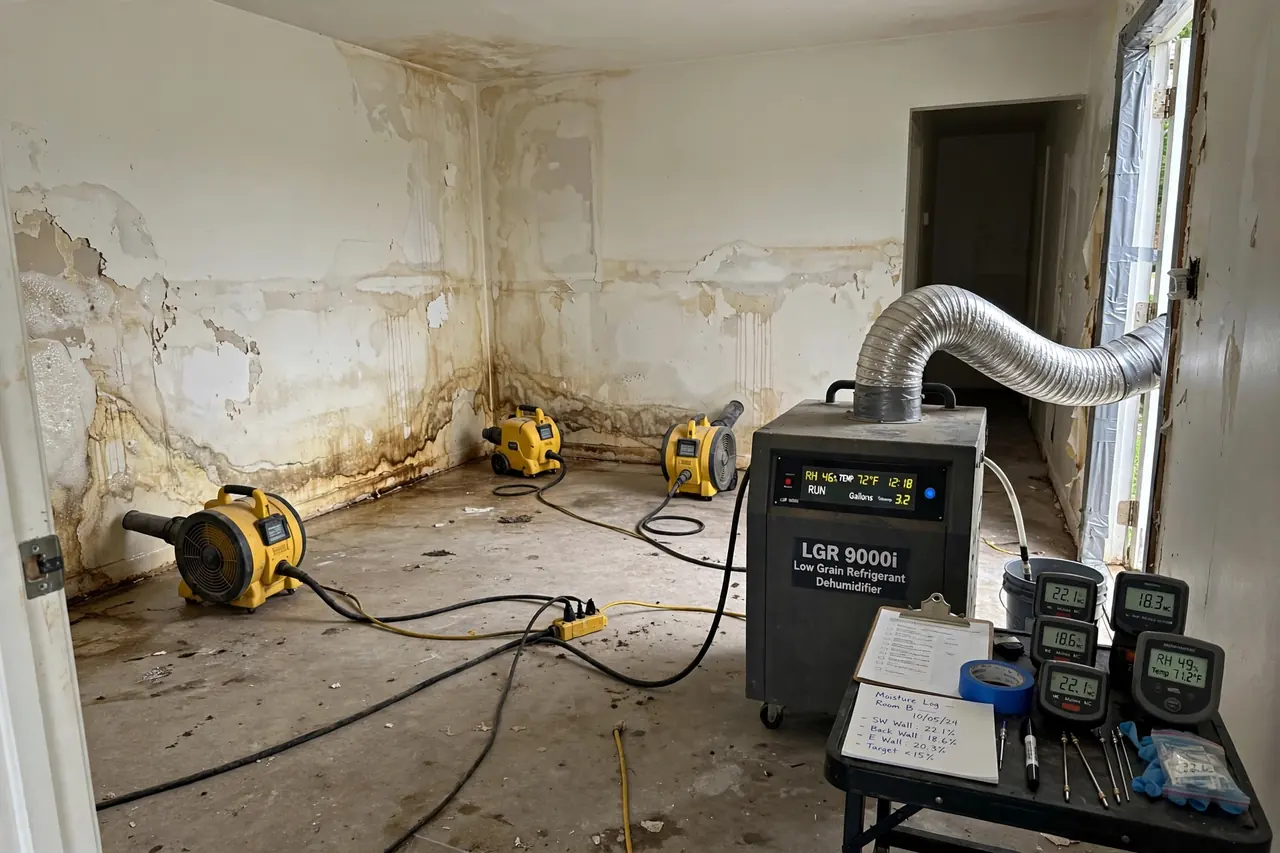
Controlled drying and moisture monitoring for building materials.
View service →Straight answers to the questions Vero Beach property owners ask us most.
Critical first steps while you wait for help.
Read guide →What floodwater leaves behind in walls and floors.
Read guide →Flood dry-out timelines explained.
Read guide →What Vero Beach property owners ask after flooding — indoor or storm-driven.
It can be. Floodwater may carry contaminants, and hidden electrical hazards are common. We recommend staying out of standing water and letting professionals handle extraction.
Standard homeowners policies typically cover sudden indoor flooding (like burst pipes) but NOT rising stormwater/flood — that usually requires separate flood insurance. Our insurance guide explains the distinction.
We identify the water category, use appropriate protective measures, and advise which porous materials should be removed rather than dried.
Often yes, if extraction and drying start quickly. Cupped hardwood can frequently be flattened with targeted drying — but timing matters enormously.
Typically 3–7 days of active drying after extraction, depending on depth, materials, and contamination. See our timeline guide for details.
Floodwater-soaked carpet pad almost always needs replacement; carpet itself depends on the water source. Our carpet guide covers the decision.
Call now — we'll talk through the water source, what's affected, and how quickly we can start extraction.